In Liziba, agroecology puts the land back at the center: a journey to the heart of compost that changes the lives of market gardeners.

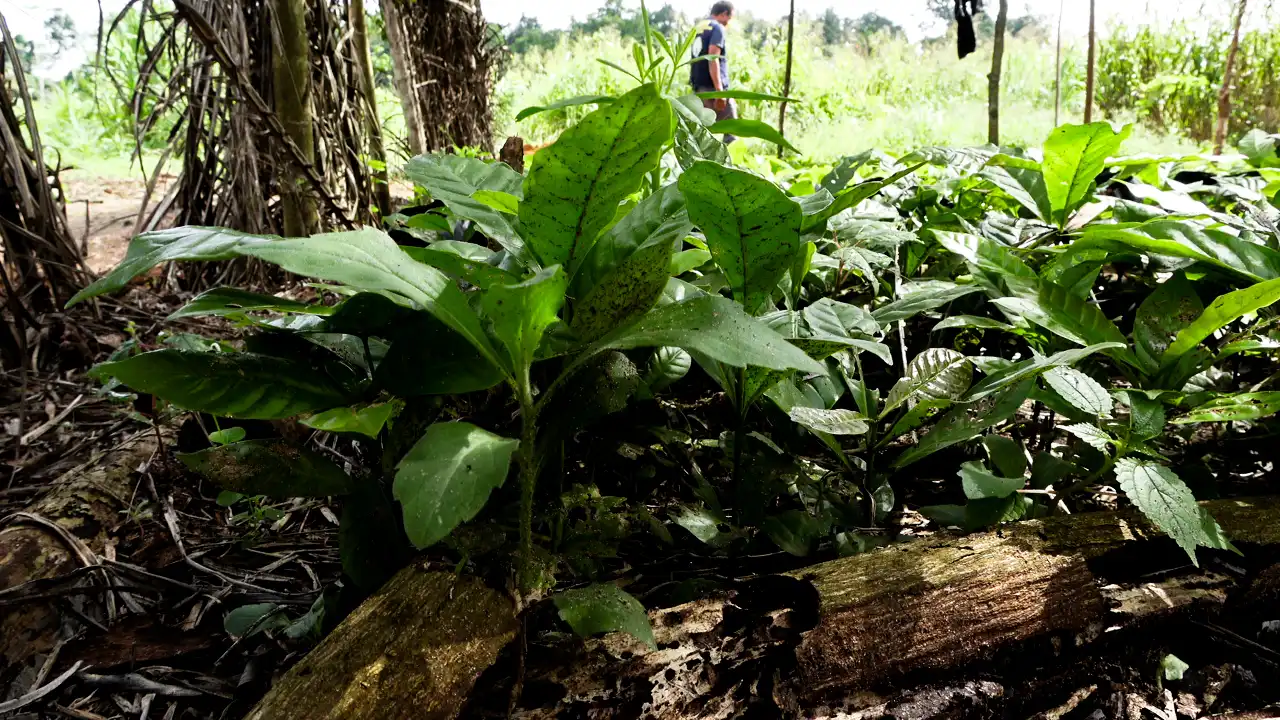
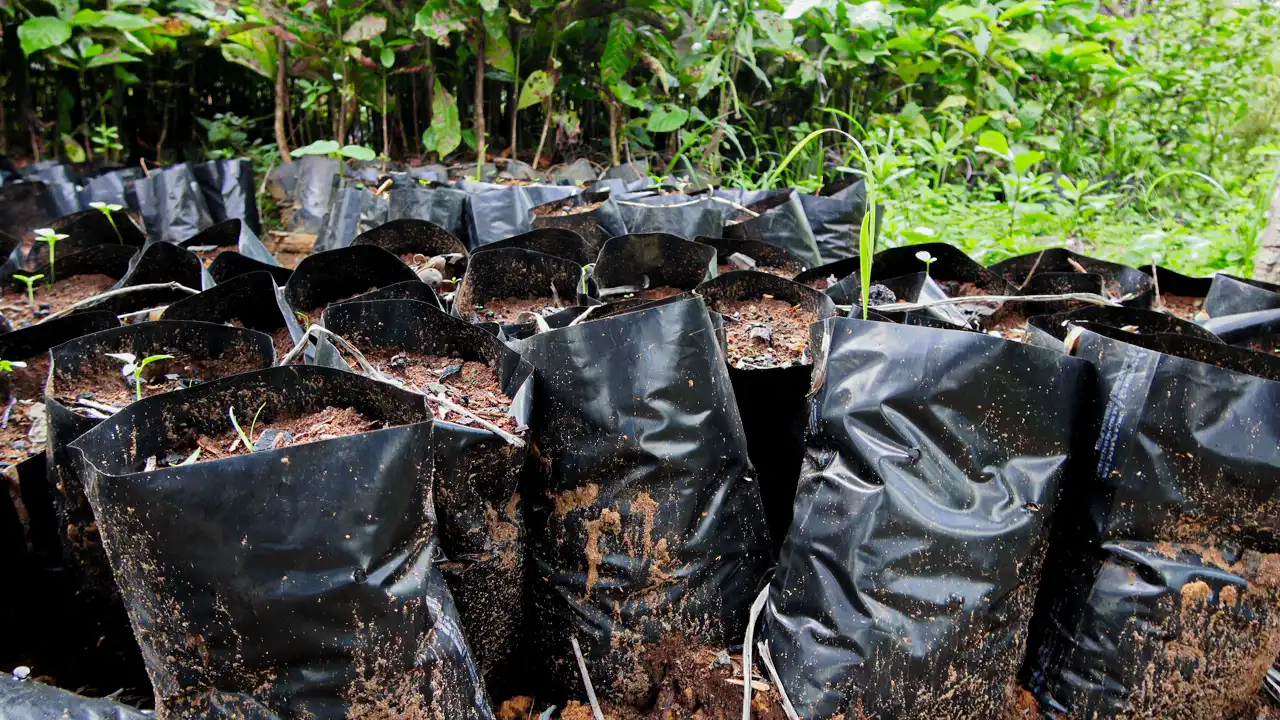
Cocoa nursery at the CAMSUB cooperative plantation. Gemena (South Ubangi). © Humundi

In the heart of Kinshasa, in the district of Ndjili Brasserie, an island of greenery is writing a different story of urban agriculture. At the Liziba agroecology center, organic waste becomes compost, green manures replace pesticides, and market gardeners are reviving long-exhausted soils. 

With Justin Kakule, trainer at the center, and Pascal Lukebadjo, a market gardener for fifteen years, this podcast immerses us in a concrete transition: that of Congolese agriculture which, thanks to simple and ancient gestures, is finding its way back to sustainability and dignity.

The next part of this journey will take us to Gemena, in South Ubangi, to discover the artisanal techniques that transform the daily lives of producers.

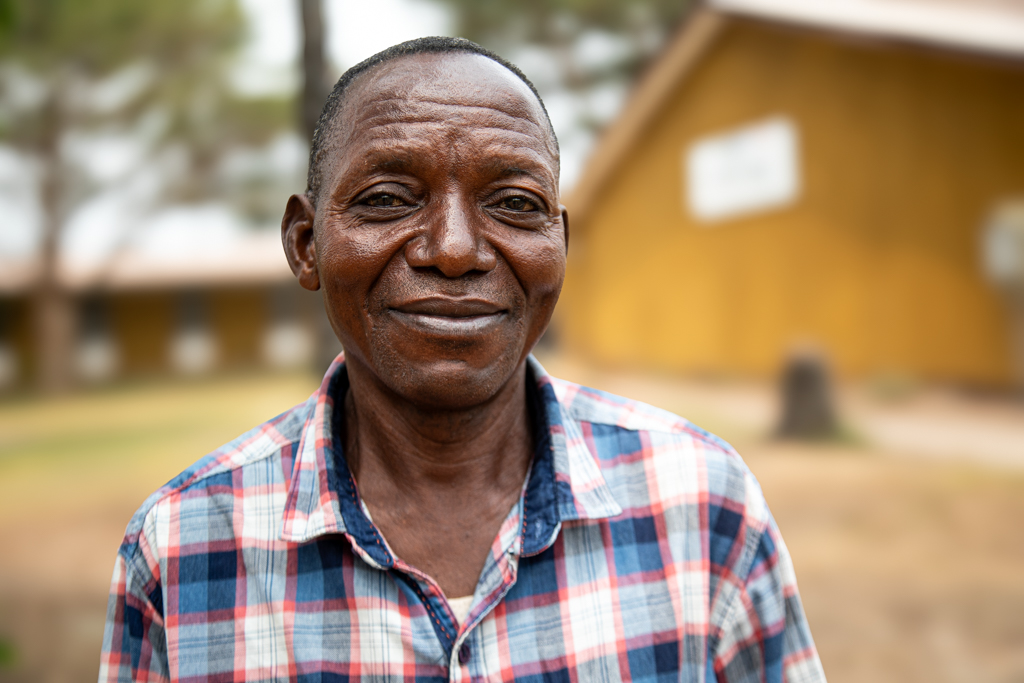
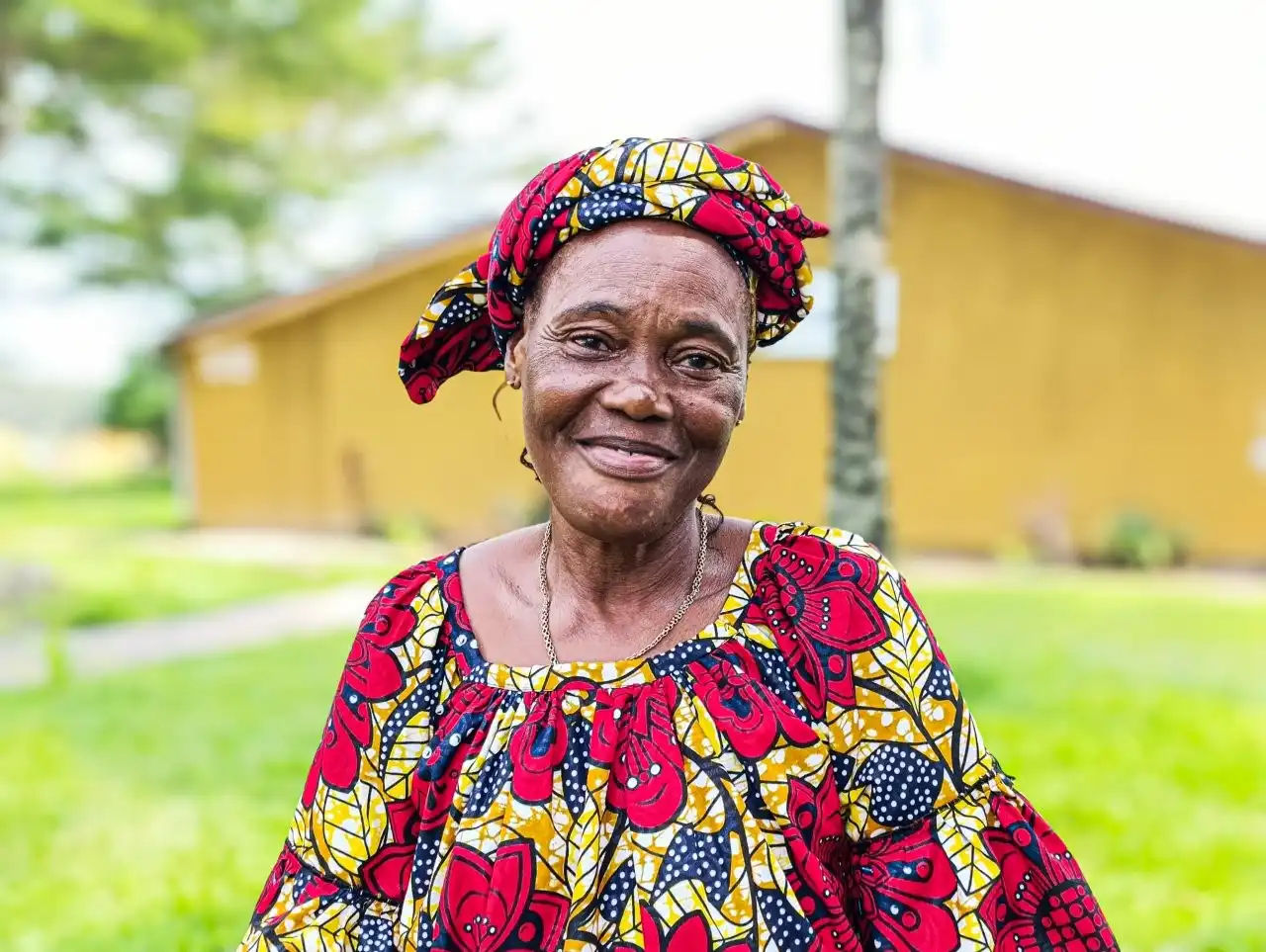
Pascal Lukebadjo, a market gardener for fifteen years and a member of the SCOPAELI cooperative. © Humundi
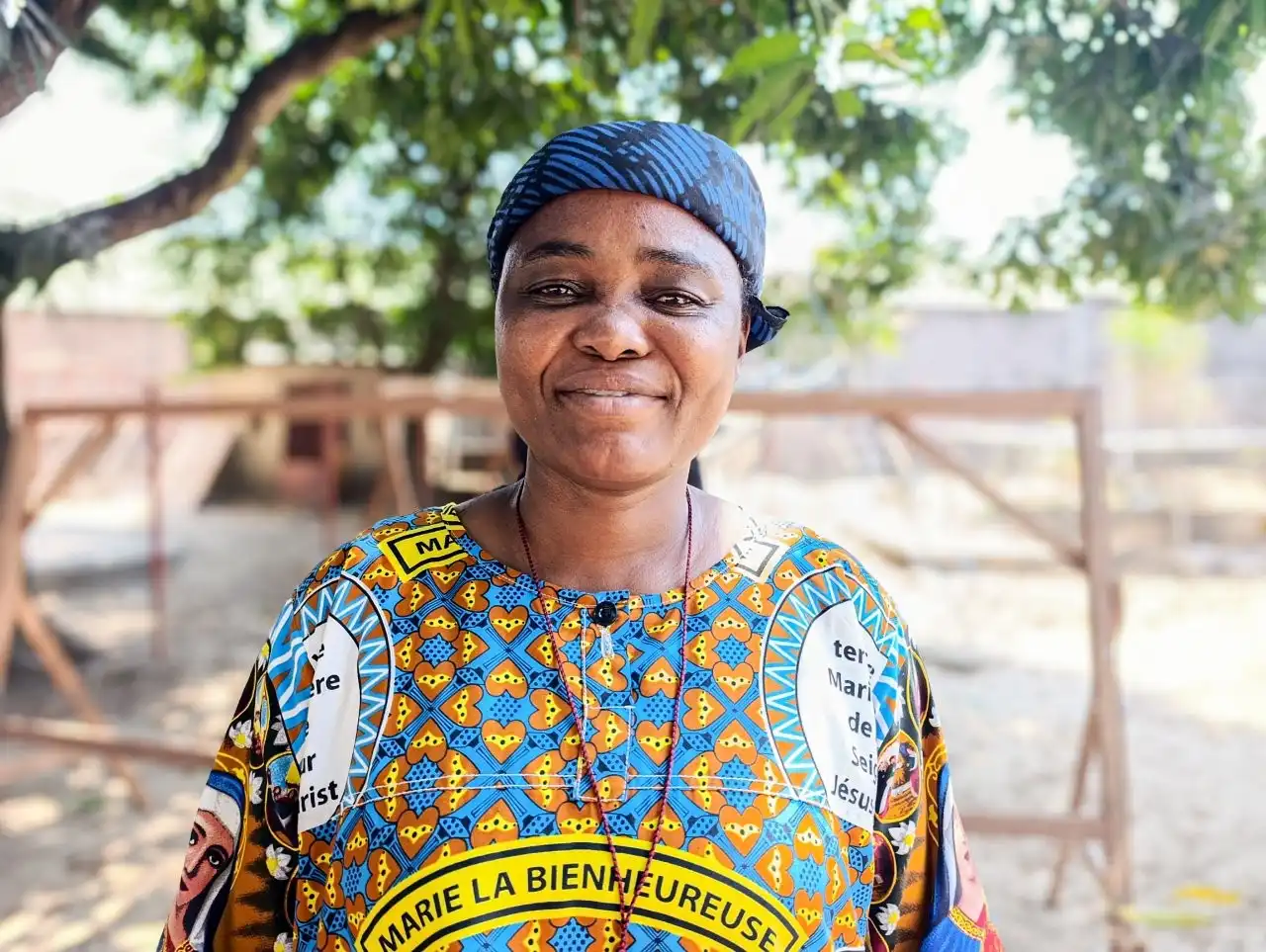
Tumba Autice, a member of the Lumière Développement association, supported by Caritas Kinshasa and integrated into the SCOPAELI cooperative.

The next part of this journey will take us to Gemena, in South Ubangi, to discover the artisanal techniques that transform the daily lives of producers.

Gemena : where agroecology takes root.

After Kinshasa and the Liziba center where we followed how compost can revitalize depleted soils, our journey takes us this time to South Ubangi, to Gemena.

Here, the members of the Cooperative of Agri-Multipliers of South Ubangi (CAMSUB) they combine food crops and perennial crops, while reforesting their land to produce more without degrading the environment. A patient, intelligent agriculture, deeply rooted in soil protection.

To open this second part of the podcast, we first give the floor to Noël Bamupalabe, president of the CAMSUB. He explains how the cooperative raises awareness among its members about the use of compost and green manures, and how these simple actions transform the lives of producers.

Next we will hear from sister Pierrette Okasuma, agroveterinarian and seed producer. She explains the difference between compost, green manure and chemical fertilizer, and shows why natural practices help preserve soil fertility in the long term.

Heading towards Gemena, at the heart of an agroecology that nourishes, protects, and gives a future to the land as well as to those who cultivate it.

Sister Pierrette Okasuma, agroveterinarian and seed producer, member of the cooperative. © Humundi
Irène Kembi, market gardener and vice-secretary of the SCOPAELI cooperative. © Humundi

At the heart of composting: transforming the soil to nourish the soil.

In this third part of the podcast, we enter the very workshop where the earth comes back to life. Justin Kakule and Sister Pierrette Okasuma reveal to us, with precision and deep-rooted experience, the essential steps in making compost.

They explain what it's made of, how each material plays a key role, and why this know-how remains one of the most effective foundations for strengthening soil fertility. A concrete, practical, almost artisanal immersion into the heart of agroecology.

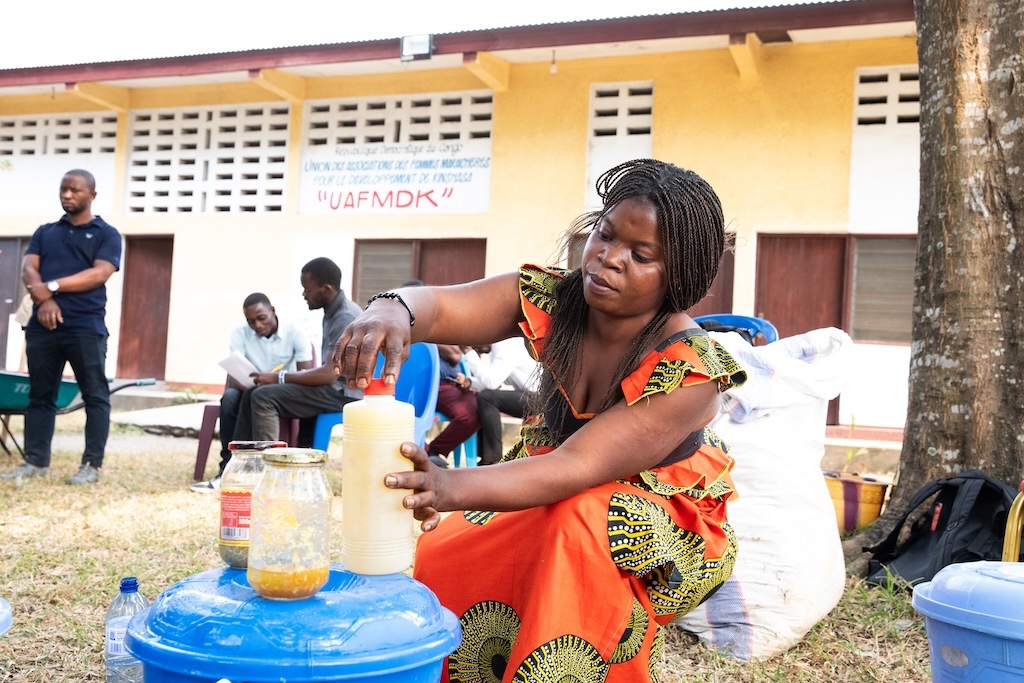
Women market gardeners from the Kinshasa Agroecological Center, during a workshop on making organic pesticides. © Humundi
Sister Pierrette Okasuma, agroveterinarian and seed producer, member of the cooperative. © Humundi
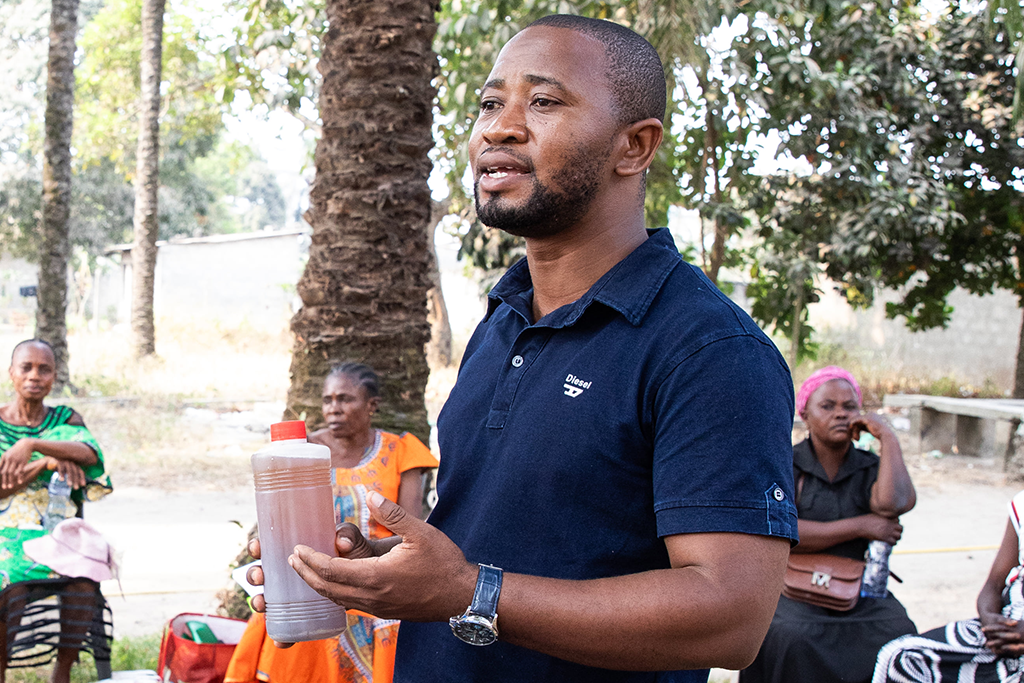
Justin Kakule, head of the LIZIBA Agricology Center, during a workshop on making organic pesticides with women market gardeners. © Humundi