In the past, in Democratic Republic of the Congo, agriculture was essentially based on monoculture. In many rural areas, farmers devoted themselves to a single crop : the rice, peanuts, corn or cassava. This practice, although rooted in tradition, stemmed from a subsistence production model inherited from past generations. Families cultivated primarily for food, without any real prospect of commercialization or sustainable land management.
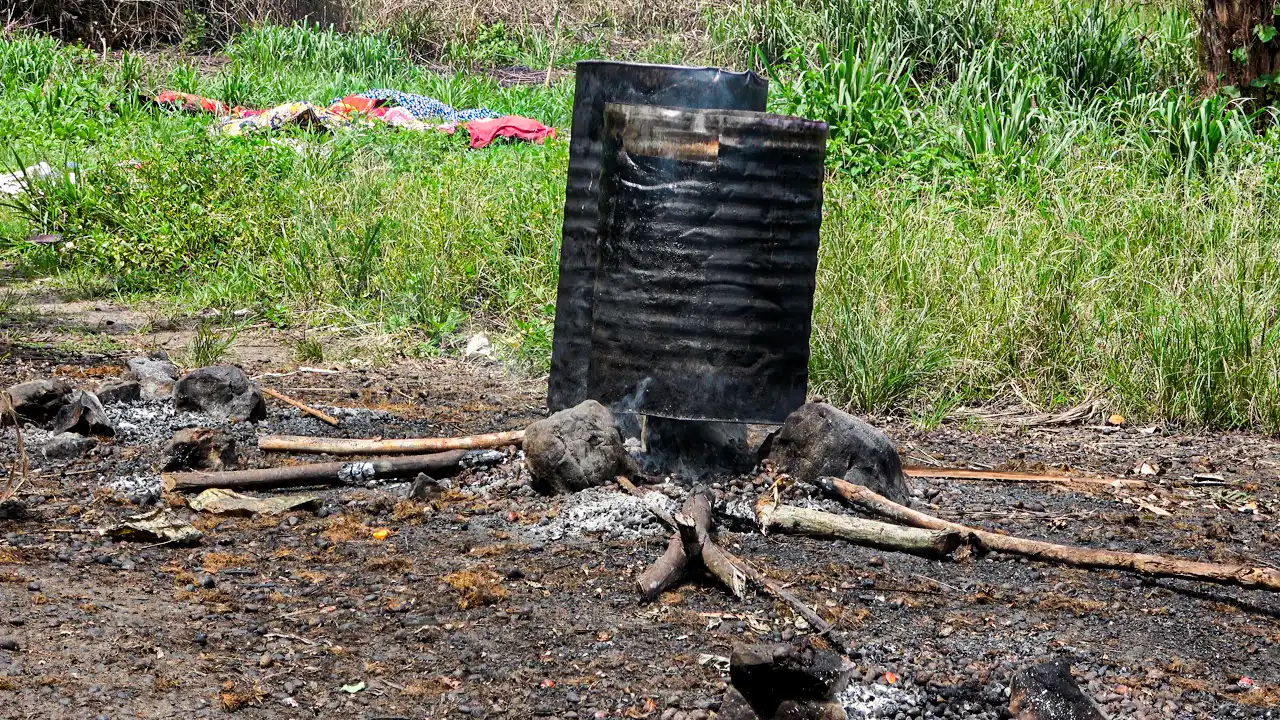
Among the dominant methods was slash-and-burn agriculture, which involved clearing and burning fields to temporarily fertilize the soil before moving on to a new plot. While this technique once allowed for soil regeneration thanks to low population density, it has now become a major driver of environmental degradation. Rapid soil depletion, biodiversity loss, and reduced yields have plunged many communities into a vicious cycle of poverty and food insecurity.
Faced with this reality, awareness has gradually grown. New agricultural approaches, more respectful of nature and ecological cycles, are developing across the country. Agroecology, in particular, is emerging as a promising alternative. It encourages crop diversification, the use of natural fertilizers, soil protection, and the valuing of local knowledge.
This transition marks a break with past practices. It gives hope to Congolese producers by enabling them to produce better, while preserving the land for future generations. Agriculture is no longer just a means of survival, but a lever for sustainable development, dignity, and food sovereignty for the Democratic Republic of the Congo.
From west to east of the Democratic Republic of Congo, a veritable « green revolution » is waking up. The National Confederation of Agricultural Producers of Congo (CONAPAC) today mobilizes its 18 federations and more of 12,896 farmers' organizations basic to strengthen awareness and, above all, encourage the concrete implementation of agroecology.
This movement is no longer just an idea: it is becoming an essential step to sustainably transform production systems, restore value to local knowledge and prepare a more resilient, more autonomous and more respectful agricultural future for ecosystems.
UPDKIS (Union of Peasants of Kisangani), the umbrella organization of the Tshopo province, located in the northeast of the Democratic Republic of Congo and a member of the CONAPAC, includes nearly 12,900 agricultural producers. The organization is actively working to raise awareness among farmers about the practice of sustainable agriculture.
Kitenge Tambwe Emmanuel, agricultural producer and member of the cooperative Elikya, one of the constituent unions ofUPDEKIS is installed at PK35, at 35 kilometers from Kisangani, provincial capital. He is among those who are becoming aware of the degradation of the equatorial forest, particularly caused by the slash-and-burn agriculture he practiced for a long time. Today, he has decided to transition to agroforestry.
Agroforestry is a method of production agricultural which consists of integrating trees and shrubs with food or cash crops on the same plot, in order to create beneficial interactions for the soil, biodiversity and yields.
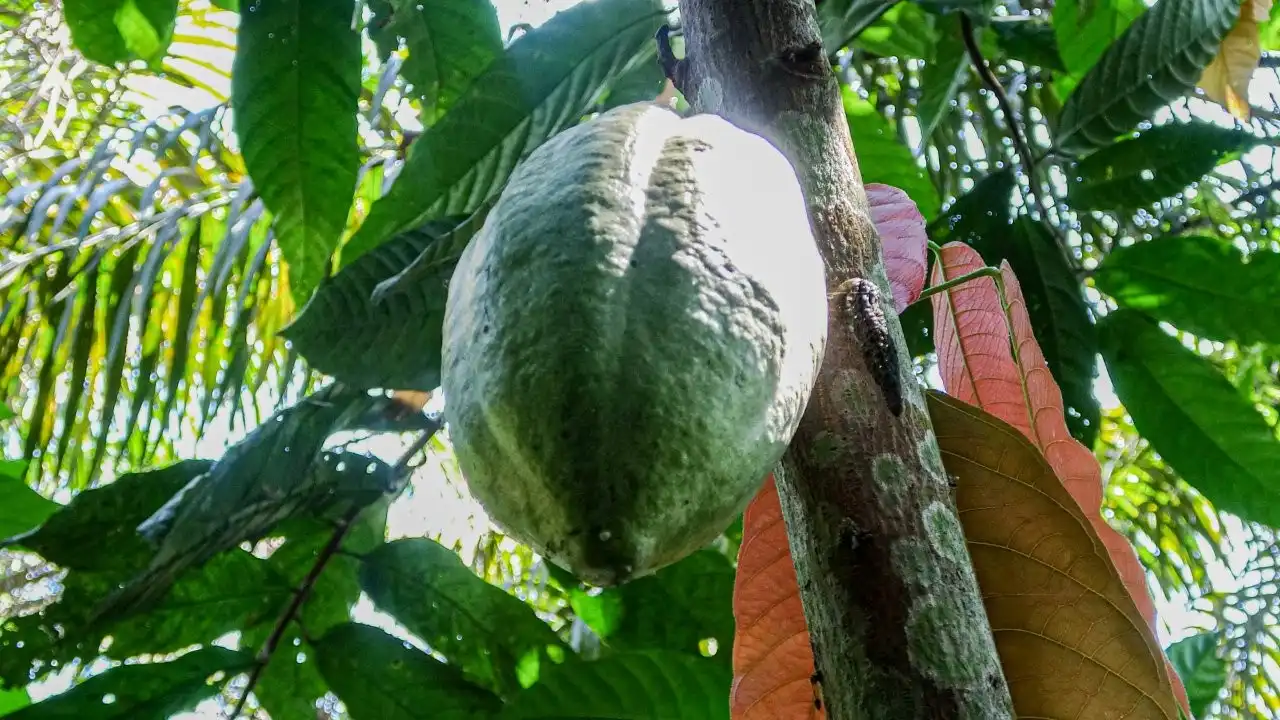
Now, on a single plot of land, producers combine cocoa, coffee, palm trees, pineapples and fruit trees.
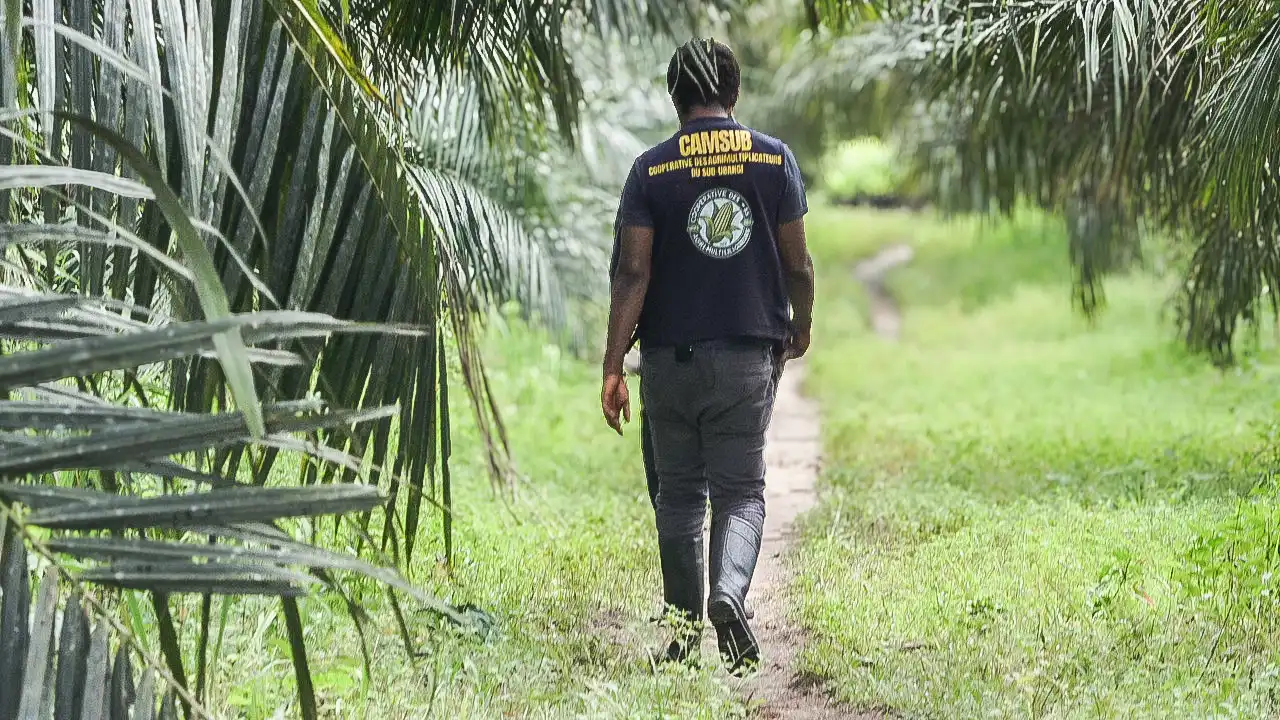
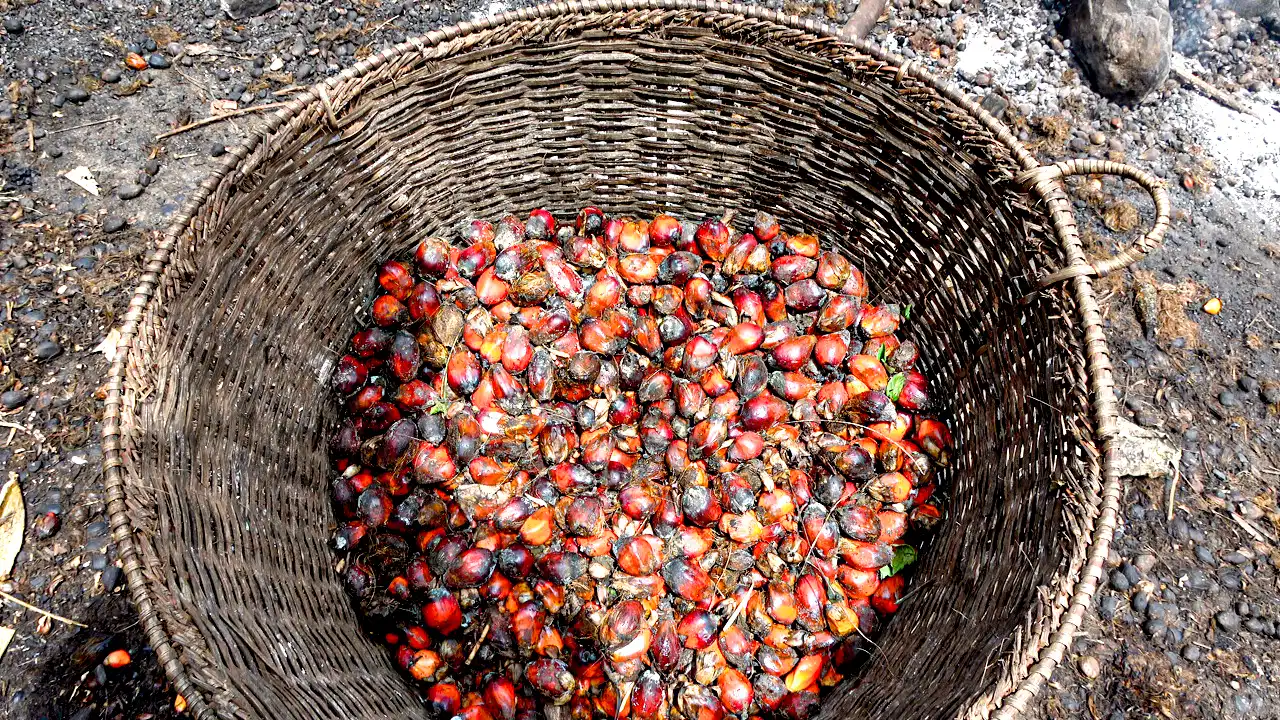
The Federation of Agricultural Producers of South Ubangi (FEPASU) brings together a broad network of farmers' organizations, unions, and cooperatives committed to transforming local agricultural practices. Within this dynamic, the Cooperative of Multiplier Farmers of South Ubangi (CAMSUB) plays a central role. Here, producers rely on agroforestry that mixes food crops, maize, peanuts, rice, beans, soybeans, sorghum and perennial crops such as cocoa, coffee or oil palm.
On the ground, this strategy addresses a dual requirement: increasing production while preserving ecosystems. In several villages, the cooperative is making its mark through reforestation campaigns. Fast-growing trees, citrus fruits, and other fruit trees: each species planted contributes to restoring soil fertility and curbing deforestation, which is steadily encroaching on the agricultural land of South Ubangi year after year.
The agroecological approach to CAMSUB also relies on the production of compost and green manure, two essential tools for revitalizing severely depleted soils. These techniques, still relatively unknown a few years ago, are now the subject of a large-scale awareness campaign within the cooperative.
🎤 « We produce compost and green manure to fertilize the soil. And we inform our members about the dangers of soil depletion as well as the benefits of agroforestry », explain Noël Bamupalabe, president of CAMSUB Board of Directors.
Behind the words : agroforestry, compost, green manure, a true silent revolution is underway. Agroforestry combines trees, food crops, and perennial plants to restore soil fertility. Compost and green manures, produced locally from organic waste, are gradually replacing chemical inputs that have become costly and ineffective on degraded soils.
These practices, still marginal a few years ago, are now paving the way for agriculture that feeds, protects the land, and guarantees more stable incomes for rural families. Above all, they illustrate a growing awareness: agricultural sustainability is no longer a slogan, but a necessity to ensure the country's food future.
Kinshasa, the cooperative SCOPAELI (Elikya Agricultural Cooperative Society), supported by Caritas, today, it stands out as one of the driving forces behind the urban agroecological transition. In its training center, members learn to make compost and green manure, two simple but crucial techniques for restoring soils depleted by years of intensive agricultural practice.
These entirely natural methods offer a solid alternative to pesticides and chemical fertilizers, which have become expensive and are often harmful to the environment. Their impact is already being measured in the field :
At the heart of this system is the LIZIBA Agroecology Center, an initiative of Caritas Kinshasa created to support and train market gardeners involved in this transformation.
🎤 « The LIZIBA Agroecological Centre it was created by Caritas Kinshasa to promote agroecological practices among the market gardeners of the cooperative, whom we have been supporting for almost ten years », explains Justin Kukule, manager of LIZIBA Agroecology Center.
In the Democratic Republic of Congo, the challenges facing agriculture, and more broadly agroecology, remain considerable. Inherited from a subsistence model, practices such as monoculture, slash-and-burn agriculture, and unplanned land use have contributed to accelerated soil depletion. In many provinces, natural fertility is declining, yields are falling, and population pressure is exacerbating deforestation, plunging rural communities into a cycle of poverty and food insecurity.
In addition to these environmental constraints, there are structural limitations: a lack of accessible inputs, weak technical support, a lack of mechanization, dilapidated roads, and a near absence of coherent public policies on agriculture. In this context, the DRC faces a paradox : a country with immense agricultural potential, but held back by an outdated production model.
Faced with these challenges, agroecology is gradually establishing itself as a credible and promising path for the future. From Tshopo to South Ubangi, passing through Kinshasa, agricultural cooperatives and federations like the CONAPAC, FEPASU, UPDEKIS or even SCOPAELI they are experimenting with solutions that rehabilitate soils and revitalize production systems. Agroforestry, for example, makes it possible to combine trees, food crops and perennial crops on the same plot, promoting shade, moisture, biodiversity and diversified income.
Compost and green manures, produced locally, are revitalizing soils long degraded by slash-and-burn agriculture. These practices, once seen only as alternative methods, are now becoming a true driver of agricultural transformation. They offer a sustainable, resilient, and accessible prospect, restoring to producers the ability to feed their communities while preserving their environment.
For this agroecological transition to consolidate and truly change the food future of the DRC, increased commitment from technical and financial partners and public institutions is essential. Initiatives led by farmers' organizations show immense potential, but they remain fragile without sustainable investment : training, equipment, support for cooperatives, rural infrastructure, agronomic research, and favorable public policies.
Development partners, specialized NGOs, and the Congolese state have a key role to play in strengthening these local initiatives and amplifying their impact. Supporting agroecology is not just about supporting producers; it's about contributing to the fight against poverty, protecting the forests of the Congo Basin, and building a fairer, more resilient, and more sovereign agricultural model for the entire country.
To understand the project PROMAGRISAD, watch the film « Beneath the palm groves and cocoa trees, life grows » in its entirety.